Monday, February 9th, 2026
Today was my first day at a new practicum site. I spent the day getting to know the classroom, the routine, and started to build those initial relationships with the children in the classroom.
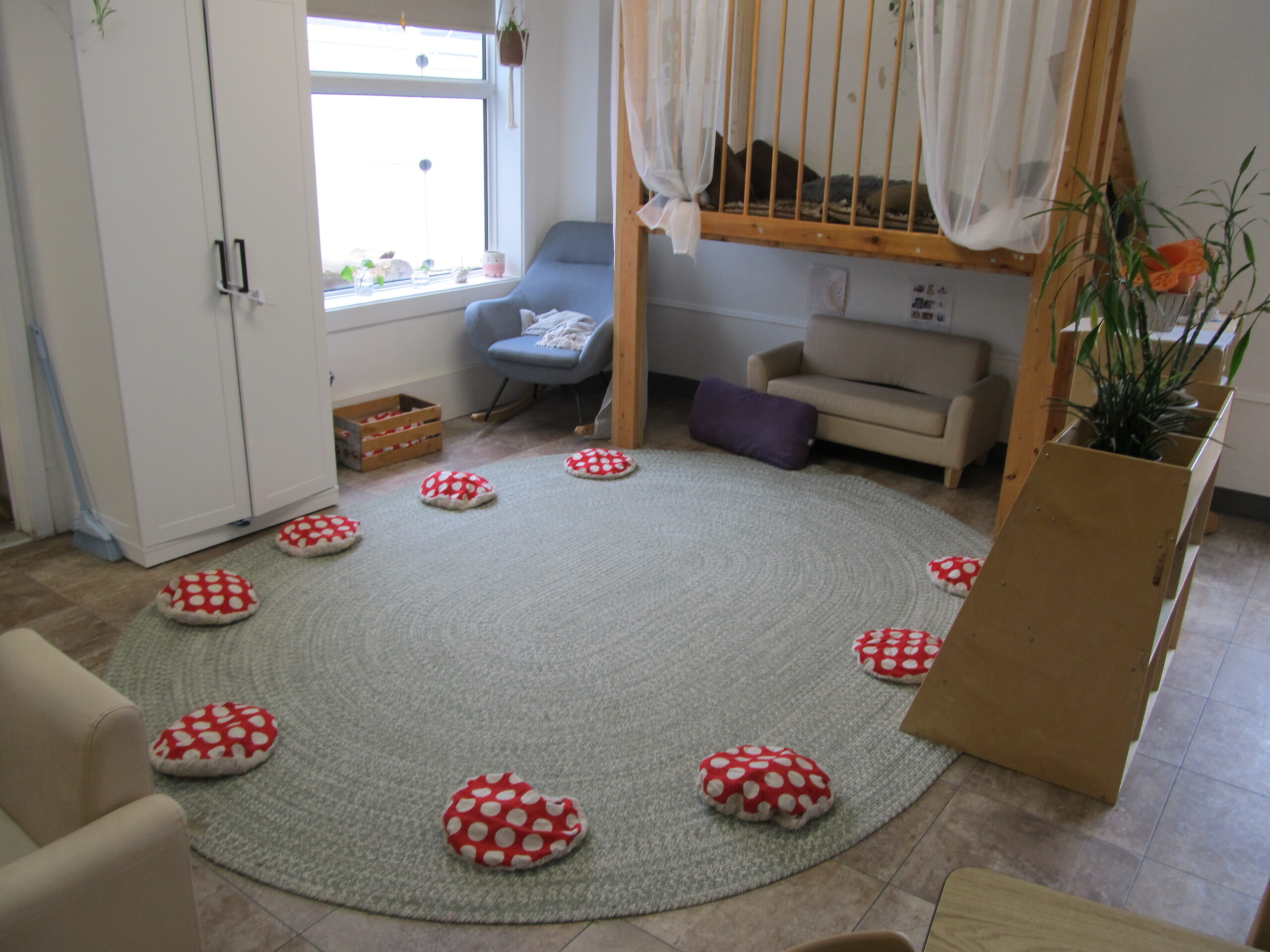
Walking into this classroom, it has an open, warm, and welcoming feel to it. It’s laid out with soft colours with lots of materials, natural materials too, around the classroom to interact with. The lead educators have their commitments, values, and philosophy on the wall right when you walk in the door, which I appreciated because I could get a feel of what the educators of the classroom believe in.
I noticed that the children were given the time they needed to transition and/or finish a task or activity. The clock did not completely dictate the children’s timeframe. If they needed time or assistance, it was given to them. For example, a child was able to finish what they were doing before cleaning up, as the child wasn’t finished building her structure and got frustrated with it, or the children weren’t on a timeline to eat during snack or lunch. It was a calm environment where collaboration and co-creation were visible within the first day. The children played together, ate together, cleaned together, etc.
This classroom has been involved with birds for quite some time, so I’m starting to think of what materials I could bring in to interact with the children that could relate to their bird project.
Tuesday, February 10th, 2026
A: “What do spiders eat [Educator 2]?”
S: “Bugs!”
Myself: “What do you think they eat?”
EE: “Worms”
E: “They probably like to eat little egg ladybugs.”
Today, instead of being in the yard, we went on a walk down by the river. These children have been interested in birds for quite some time and take their time on their walks to notice them and what they’re doing.
Myself: “Do birds use loose feathers to make their nests?”
A & E: “Yes.”
Me: “Do you think it makes the birds comfy and warm?”
Someone: “Yes.”
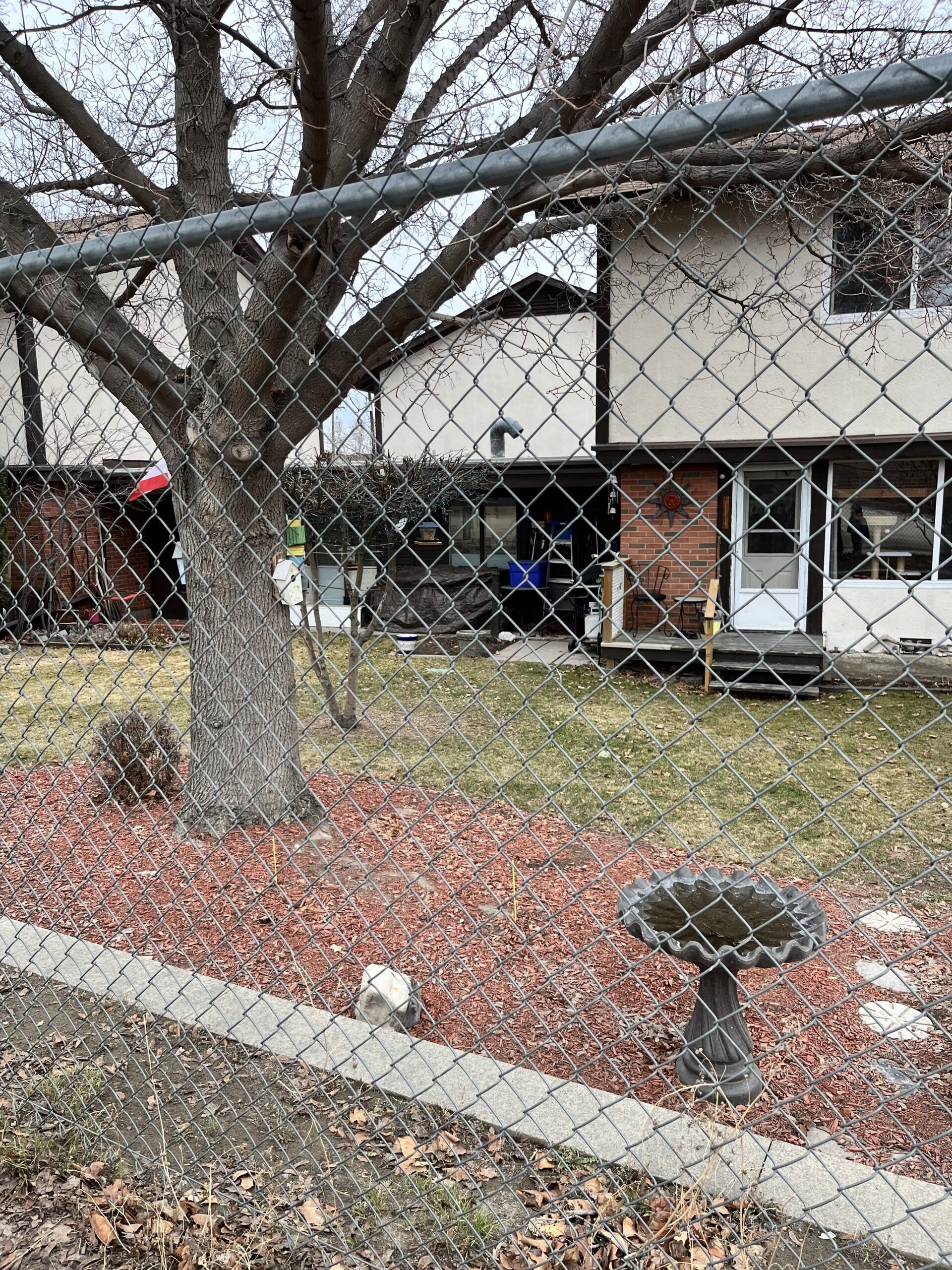
One yard we walked past had a few different bird houses, a bird feeder, and a bird bath. One child suggested the bird bath was actually a pond for ducks.
Educator 2: “Do birds have one feet?”
E: “They have two, actually.”
One boy asked where the water in the river comes from. I replied with: “Where do you think it comes from?” The children began thinking, as I mentioned to Educator 2, that the meeting of the two rivers and where the water comes from could be a very interesting inquiry. Just then, E says, “I figured it out.”
Educator 2: “Nic, [E] said he figured it out already!”
Myself: “You did? Let’s hear it.”
E: “Only some snow turns into water, and it goes from the mountain into the river.”
*later that day*
Z: *eats slowly in small bites* “this is how birds eat!”
Educator 2: “How do you know they eat like that?”
Z: “I saw them eating before, and I saw it on a show on the big screen.”
Educator 1: “Was it a cartoon or was it a real movie?”
Z: “It was a real movie.”
These conversations are making me think of the ways that I can build off the children’s current project about birds and their nests. I came up with a few questions: Do bird nests float? What other animals nest? What are other nests made from?
Wednesday, February 11th, 2026
One girl in the classroom was very upset when another child destroyed her building structure with the magnatiles. The girl was crying, screaming, flapping very tense arms, balling her hands in fits, and partly collapsing to the floor. She got more upset if someone else came over to grab a magnatile, a car, or the light that was in front of her. I sat with her, I asked her if she wanted a hug, and I waited until she was ready for a hug to hug her. Educator 2 was able to get the attention of the other children to go to the other side of the room while I sat down with the girl and helped her. Then we started to rebuild her structure together.
I had a meeting with my mentor today to go over how I have been doing the first few days. We discussed that this week is a time to learn the classroom routines, interests, values, philosophy, and commitments, as well as to build relationships with the children and other educators in the centre. I was just told that I should communicate with the educators in the classroom when I leave. I am going to do that going forward.
I have observed that the children in this classroom are really invested in birds and their nests. I have been thinking of different ideas that could connect to this: what other animals nest, what are nests made of, and do bird nests float? The classroom is also called the “Bee Hive,” and bees nest in their hive, so I’m thinking of how to connect this to the children and what they’re interested in.
I have been assisting with conflicts and transitions. I have given the children a couple of reasonable solutions to get through the conflict or transition. I have also been assisting with cleaning. My mentor and I also spoke about getting more confident in leading transitions, group/circle time, etc. At my last practicum, I was very intimidated to lead group/circle time as the classroom numbers were much larger. I feel like I have more confidence in this classroom in leading. I just want to prepare a few more things for group/circle time that relate to the classroom interests.
I have been taking notes, taking photos, and I have my audio recorder to record conversations with children as well. I am keeping updated with my learning portfolio, adding things daily. I am thinking of different things to connect to their current interests with birds and bird nests. When talking with my mentor, she had told me that my conversations with the children are pedagogical and positive, specifically pointing out asking open-ended questions and not interrupting the children when they’re forming a thought, and not correcting them when they tell you, for example, that a trap is a home for animals, not something that captures them.
Thursday, February 12th, 2026
While outside in the yard, I gathered with the children and built an obstacle course with them. I assisted the children in their thinking and building, and gave them the conditions needed to create the course they wanted. I also gathered with another group of children at the picnic table and did some drawing and colouring while sitting in the warm sunshine.
Two children got into an altercation over the swing. One child was on the swing, and the other child wanted to go on the swing, so they started to kick and hit the child on the swing. An educator from another classroom went over to them, but the upset child started to kick the educator. I went over and offered a hug, but they said no and kicked me. I then gave them the option to high-five me instead of kicking. He stopped kicking even though I didn’t get any high fives. I then gave him space until he was ready to play again.
Friday, February 13th, 2026
This week, the class has been working on transitioning a two-and-a-half-year-old from the IT side to the three-to-five side. This morning was a more difficult transition. He didn’t want his IT educator to leave him, and when she did leave to go back to her classroom, the child got very upset, started to cry for mom, and came to me for comfort. I sat with him on the rocking chair and comforted the child until they were ready to go and eat a snack. After the snack, the child settled in better while playing outside in the yard.
When coming in from outside and transitioning to lunch, one child started to get overstimulated when the other children started to play around on the carpet area. They were about to throw something at another child, but I was able to redirect the throw towards the ground. I sat with them and asked what they needed when they went to throw something again. The other educator gathered the rest of the children in a different area of the classroom. The child then crawled onto my lap, gave me a deep pressure hug, and put her body weight on me, which is used as a regulation method. Once they were ready, they joined the group on the other side of the classroom.